Understanding the psychology of risk in gambling behavior
The Nature of Risk in Gambling
Risk-taking is an inherent aspect of human behavior, deeply rooted in our psychology. In gambling, this behavior can manifest in various ways, from casual bets to high-stakes wagers. Understanding the psychology behind these choices involves exploring the thrill associated with uncertainty and the allure of potential rewards. This interplay of risk and reward is what makes gambling so enticing for many individuals, especially when players choose a trusted australian casino with pay payid to ensure a hassle-free experience.

Moreover, the perception of risk can vary significantly among players. While some may view a game of chance as an opportunity for financial gain, others might see it as a source of entertainment, regardless of the potential loss. The emotional highs and lows experienced during gambling can further complicate one’s assessment of risk, often leading to impulsive decisions fueled by excitement or disappointment.
Psychological Factors Influencing Gambling Behavior
Several psychological factors shape gambling behavior, including cognitive biases and emotional states. Cognitive biases, such as the illusion of control, can lead players to overestimate their ability to influence outcomes, prompting them to take greater risks. This can create a cycle where individuals continue to gamble, believing they can turn their luck around despite contrary evidence.
Emotional states, such as stress or excitement, can also drive individuals to gamble. For some, gambling serves as an escape from daily pressures, making it an appealing option during challenging times. Conversely, those feeling euphoric may engage in riskier behaviors, blinded by their confidence. Understanding these influences is crucial for both players and industry professionals who aim to promote responsible gambling practices.
The Role of Environment and Social Factors
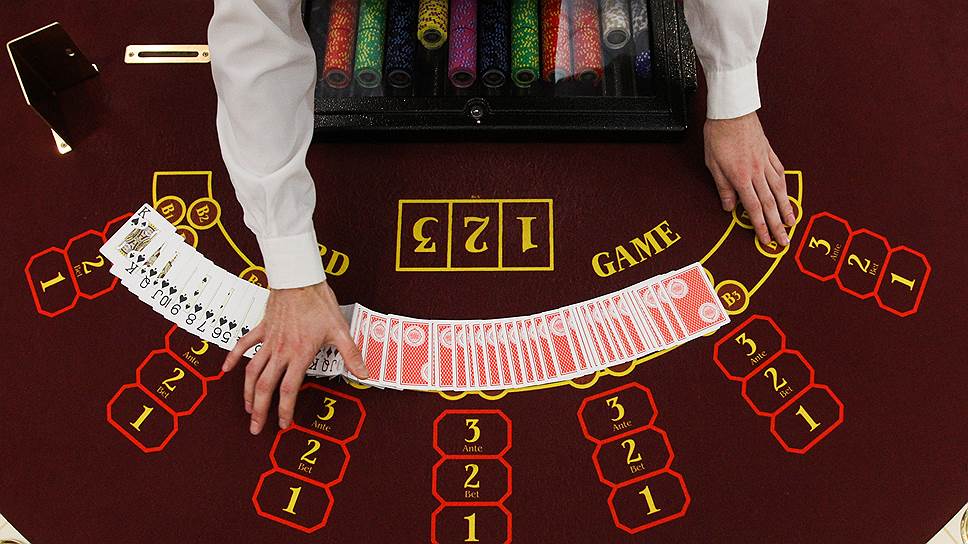
The environment in which gambling occurs significantly affects decision-making processes. Factors such as location, social circles, and advertising can all contribute to an individual’s risk perception. For instance, a vibrant casino atmosphere with loud sounds and bright lights may heighten excitement, encouraging more substantial bets. Additionally, peer pressure can influence gambling behavior, as individuals may feel compelled to participate to fit in with their social groups.
Social factors, such as family history and cultural attitudes towards gambling, also play a vital role in shaping risk perception. In some cultures, gambling may be seen as an acceptable leisure activity, while in others, it may carry a stigma. Understanding these contextual influences helps to create a more comprehensive picture of gambling behavior and the various risks involved.
The Impact of Technology on Gambling Behavior
Advancements in technology have transformed the gambling landscape, making it more accessible than ever before. Online gambling platforms and mobile applications allow players to engage in betting from the comfort of their homes, often leading to increased gambling frequency. This convenience can blur the lines between entertainment and addiction, as players may find it easier to gamble impulsively without the social cues present in traditional venues.
Moreover, technology has introduced new forms of gambling, such as online pokies and live dealer games, which can enhance the overall experience. While these innovations can make gambling more exciting, they also raise concerns about responsible gambling. As players become more engaged with these platforms, understanding the psychological implications of their actions becomes increasingly important.
Enhancing Responsible Gambling Practices
Given the complexities of gambling behavior, promoting responsible gambling practices is crucial for both players and operators. Educational programs aimed at informing individuals about the psychological aspects of risk can help them make more informed choices. Encouraging self-awareness regarding personal limits and the potential for addiction is essential in fostering a healthier approach to gambling.
Furthermore, platforms like PayID Pokies prioritize responsible gambling by offering features such as deposit limits and self-exclusion options. These tools can empower players to maintain control over their gambling activities, ensuring a balanced experience. Ultimately, a deeper understanding of the psychology of risk in gambling can pave the way for safer gaming environments that prioritize player well-being.
Deixe um comentário