Alcohol shakes, or tremors, are involuntary shaking movements that can occur during alcohol withdrawal. This symptom reflects the body’s physical dependence on alcohol and its struggle to adapt to its absence. We must note that alcohol can damage the brain and sympathetic nervous system to the point that alcohol shakes become chronic. If you are experiencing a shaking that’s somewhere between moderate and severe, it’s imperative that you quit drinking.
Non-Medical Strategies for Managing Alcohol Shakes
Seeking treatment early on can prevent https://ecosoberhouse.com/ severe withdrawal symptoms from developing as a result of long-term alcohol abuse. When you’re trying to overcome alcohol dependency, one of the most challenging aspects is dealing with alcohol shakes. These tremors typically begin 5-10 hours after your last drink and peak between 24 to 78 hours during the withdrawal process.
What are risk factors of Delirium Tremens?
- Reach out to friends, family, or support groups who can provide understanding, encouragement, and guidance throughout your alcohol recovery journey.
- Prolonged alcohol abuse can damage both the brain and nervous system, disrupting signals from the brain to the muscles and nerves.
- This is part of our ongoing commitment to ensure FHE Health is trusted as a leader in mental health and addiction care.
- The severity of alcohol shakes can vary depending on factors such as the individual’s drinking history, genetics, and overall health.
As anyone who has done it before knows, uncontrollable shakes are part of the experience. They are an unsettling reminder of the influence alcohol has on your body. With early intervention and the right support, there’s hope to manage and overcome these tremors. Alcohol detox treatment in Idaho can help you manage withdrawal symptoms, prevent seizures, and begin recovery with medical supervision.
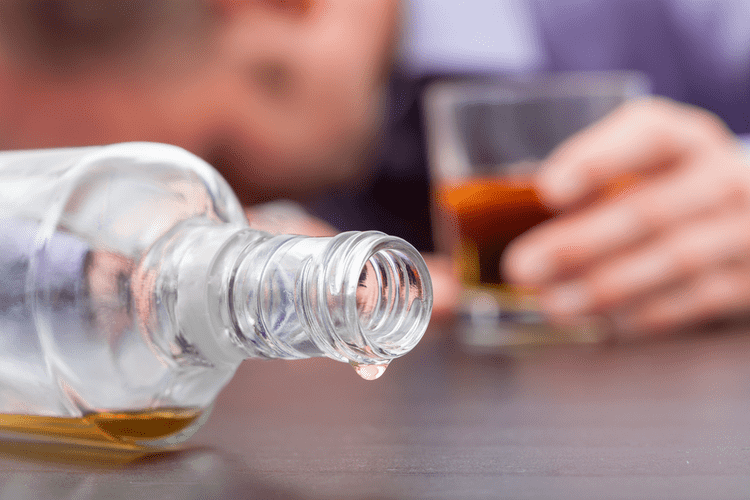
If I’m Shaking, Does That Mean I’m An Alcoholic?
Alcohol tremors, or shakes, usually start a few hours after an individual’s last drink. The level of intensity and how long they last can vary from person to person. Body type, weight, gender, amount of alcohol consumption, and frequency of consumption all impact how a person’s body will react to shakes and for how long. Most often, shakes intensify within 24 to 48 hours and calm down 5-7 days after drinking. Severe or worsening alcohol shakes should not be overlooked, especially if they persist or disrupt daily life. Tremors that fail to improve may signal a deeper issue requiring professional treatment.
Addiction Treatment Programs

Nova’s outpatient rehab in Austin offers structured sessions while you live at home. Some people notice less shaking while they drink, but heavy, long-term use can also harm nerves and make tremors worse over time. Many people benefit from a residential setting after detox, especially if drinking has been daily, severe, or tied to repeat relapse. Learn more about Austin residential inpatient rehab and what structured care can look like. Shakiness from alcohol can also be made worse by dehydration, low blood sugar, poor sleep, and anxiety, especially after binge drinking. Light to moderate exercise has been known to stabilize mood and reduce anxiety, potentially helping milder tremors.
If sufficient scar tissue prevents the liver from eliminating ammonia and other toxins from the bloodstream, alcoholics with cirrhosis of the liver may experience uncontrollable shaking. Wernicke-Korsakoff syndrome is typically diagnosed in alcoholics with significant thiamine deficiency resulting drug addiction treatment from malnutrition. Memory loss, alcohol shakes, and the inability to walk without assistance are symptoms of Wernicke-Korsakoff.
- Tremors that fail to improve may signal a deeper issue requiring professional treatment.
- The shakes also called tremors can begin 6-10 hours after the last drink, and tend to be the most pronounced from the last alcohol consumption.
- Gaming and substance use can quietly reinforce each other, turning coping into compulsion and shrinking daily life while emotional distress, isolation, and dependence continue to grow.
Gradually reducing alcohol intake under medical supervision can help minimise withdrawal symptoms. Continuous monitoring for complications is crucial, especially for individuals at risk of severe withdrawal symptoms. Supportive care also includes ensuring a safe environment how to stop alcohol shakes to prevent injury during episodes of confusion or seizures. Medical professionals use the Clinical Institute for Withdrawal Assessment for Alcohol Revised Scale (CIWA-Ar) to assess the severity of withdrawal symptoms and determine appropriate treatment. In addition to these strategies, exploring evidence-based addiction therapies can significantly enhance the recovery process by addressing the psychological aspects of addiction.
Deixe um comentário